The Magic Of Turning Systems Into Checklists
Our little family of four has been going to the same dentist for the last 15 years. They know us by name and know all the little intricate details about us. They knew when my daughter was running for student council; they knew when my son was getting his driver’s license; they knew I started growing my hair long and they knew when we were celebrating our anniversary (and all the suffering my wife has endured….hahaha). Do you know how I know that they know? Because every time we come in for an appointment, they follow up on what we shared from our previous visit. Did she win the student council? Did he get his license? How’s your big anniversary celebration? Oh, I see you finally got a haircut, looks much better.
They created this simple checklist:
- Casually and naturally ask questions that they care about
- Note the answers
- Review the answers right before the next appointment
- Ask specific questions about what was shared last time
- Ask new questions
This made us feel like they cared. And honestly, I think they truly did care and really enjoyed our visits. I believe that was their intention.
I love the idea of systems. As we talked about last time, the goal of an entrepreneur is to create systems that can be duplicated anywhere by anyone. It can transform our day-to-day operations, creating efficiency so the business can scale. Also, it ensures we’re delivering the same service, same product, with the same quality, and the same experience every time.
I am going to leave you with this one last story from the book E-Myth written by Michael Gerber. The story is called “A Match, a Mint, a Cup of Coffee, and a Newspaper,” and I hope it inspires you as it inspired me to continue to create systems in your business with checklists for all to follow and be accountable for.
The surprising result of all this structure: it actually allows us to be more relational as we serve customers and clients, giving them amazing experiences over and over and over again.
A Match, a Mint, a Cup of Coffee, and a Newspaper
(Michael Gerber, The E-Myth Revisited)
The first time it was an accident; that is, an accident for me. I hadn’t planned to go there.
I’d been driving for seven hours, and, tired of the road, decided to stop for the night before going on to San Francisco.
The hotel was located in a redwood grove overlooking the Pacific.
By the time I walked into the lobby, the sun was setting and the grove had turned dark as pitch.
Instantly something told me that I was in a special place. The lobby was warmly lighted. Redwood paneling reflected the red glow of the light onto beige overstuffed couches that hugged the three walls surrounding the reception desk. A long, dark wood table faced the front door through which I had just entered. On the table rested a huge woven Indian basket overflowing with fresh fruit. Beside the basket stood a massive bronze lamp, its deepest burnished light bouncing off the fruit, adding a festive look to the room. Running the full length of the table and falling down on either end almost to the floor was an intricately crocheted linen cloth, its bright, exotic pattern accentuating the colors of the fruit, the bronze of the lamp, and the deep red ochre of the walls.
At the far side of the table, against the far wall, in a massive fieldstone fireplace, a roaring fire filled the room with the cheerful crackling of its furiously burning oak logs.
Even if I hadn’t been so tired, the contrast between the heat of the flames on my face and the cold of the night at my back would have been enough to attract me to the room. As it was, I practically melted with delight.
Behind the reception desk a woman appeared dressed in a freshly starched red, green, and white gingham blouse and a deep red ochre skirt. A pin with the logo of the hotel atop a red ochre ribbon decorated her blouse like a badge of honor. A matching ribbon held her hair back from a glowing face.
“Welcome to Venetia,” she smiled warmly.
It took no more than three minutes from the moment she spoke that greeting to the time the bellboy ushered me into my room, despite the fact that I had no reservation. I couldn’t believe the ease with which it all happened.
And the room! The overall impression was one of understated opulence—thick, muted pastel wall-to-wall carpeting; a four-poster, king-size white pine bed covered by a magnificent, impeccably clean, white-on white quilt; original graphics depicting scenes and birds of the Pacific Northwest gracing the rough-hewn elegance of the natural cedar walls; a stone fireplace with oak logs already prepared and waiting on the grate for the fire someone knew I would appreciate, paper rolled ceremoniously beneath the grate, and an elegant oversized match lying diagonally across the hearth, waiting to be struck.
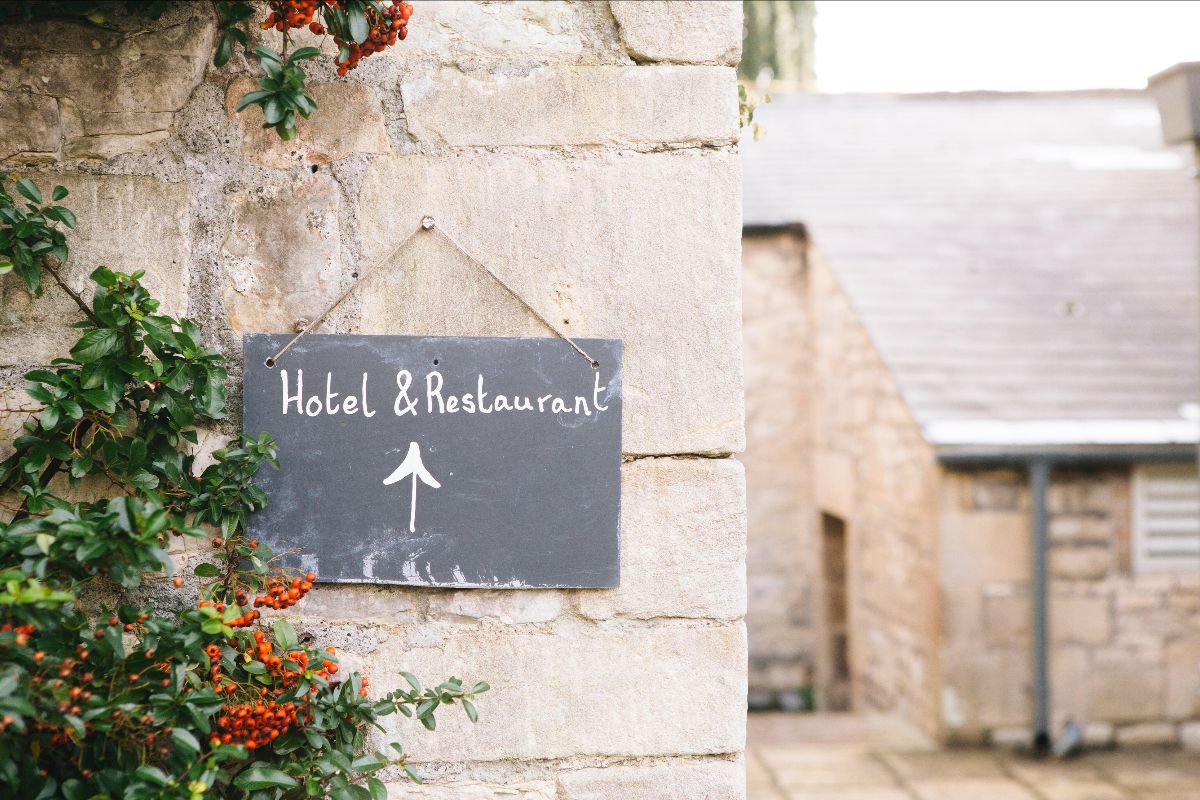
Delighted with my good fortune, I changed for dinner; the woman at the desk had made my reservation when she checked me in! I walked out into the night to find the restaurant. A sign by a path outside of my room pointed me down another well-lit path through the dark redwood grove.
The night air was still and clear.
In the distance I could hear the hushed, rhythmic patter of the Pacific Ocean surf. Or was it my imagination? It scarcely mattered; an aura of magic surrounded the place.
The restaurant stood on a knoll overlooking the hotel and the ocean. Until I went inside, I hadn’t seen another person, but the restaurant was crowded.
I gave the maitre d’ my name and he immediately showed me to a table, despite the fact that other people were waiting. Evidently, reservations meant something in this restaurant!
The meal was as delightful as everything I had experienced before it, the food attractively prepared, the service attentive yet unobtrusive. I lingered over a glass of brandy while enjoying a classical guitarist who played a selection of Bach fugues for the dinner guests.
I signed the check and returned to my room, noting on the way that the lights had been turned up on the path apparently to compensate for the growing darkness.
By the time I arrived at my room, the night had become chilly. I was looking forward to a fire and possibly another brandy before going to bed.
Somebody had beaten me to it!
A brisk fire was burning in the fireplace. The quilt was turned down on the bed. The pillows were plumped up, a mint resting on each one.
On one of the night tables beside the bed stood a glass of brandy and a card. I picked up the card and read:
Welcome to your first stay at Venetia. I hope it has been enjoyable. If there is anything I can do for you, day or night, please don’t hesitate to call.
– Kathi
As I drifted to sleep that evening, I felt very well taken care of.
The following morning I awoke to a strange bubbling sound in the bathroom. I arose to investigate.
A pot of coffee, turned on by an automatic timer, was merrily perking away on the sink counter. A card resting against the pot said:
Your brand of coffee. Enjoy! K.
And it was my brand of coffee!
How in the world could they have known that?
And then I remembered. At the restaurant the night before they had asked me what brand of coffee I preferred. And here it was!
Just as I caught on to what they had done, there was a polite knock at the door.
I went to the door and opened it. Nobody. But there on the mat was a newspaper. My newspaper, the New York Times.
How in the world did they know that?
And then I remembered. When I checked in the night before the receptionist had asked me the newspaper I preferred. I hadn’t given it another thought. Until now. And there it was!
And exactly the same scenario has occurred each and every time I’ve returned.
But after the first time I was never asked my preferences again.
I had become a part of the hotel’s Management System.
And never once has it let me down.
The system knows what I like and makes certain that I get it, in exactly the same way, at exactly the same time.
What exactly had the System provided? A match, a mint, a cup of coffee, and a newspaper!
But it wasn’t the match, the mint, the cup of coffee, or the newspaper that did it. It was that somebody had heard me.
And they heard me every single time!
The moment I walked into the room and felt the fire, I knew that someone had thought about me. Had thought about what I wanted.
I hadn’t said a word, and yet they had heard me.
The moment I saw the mints on the pillows, the turned down quilt, and the brandy on the table, I knew that someone had thought about me. Had thought about what I wanted.
I hadn’t said a word and yet they had heard me.
The moment I heard the coffee pot perking in the bathroom and saw the card that identified it as my brand, I remembered that someone had asked for my preference.
And they had heard my answer.
The instant I saw the newspaper and recognized it as my newspaper, I remembered that someone had asked.
And they had heard my answer.
And it was totally automatic!
Every single element was an orchestrated solution designed to produce a marketing result, and integrated component of the hotel’s Management System.
After my third visit to the hotel, I asked to speak with the Manager.
I wanted to find out how he was able to produce the identical results for me every single time.
How could he make certain that someone would ask the right questions so as to ensure the correct results for each and every guest?
Was it because he hired extremely competent people?
Were the employees owners?
Was it some kind of special incentive system?
The Manager was a young man of twenty-nine. He invited me into his office to talk. It was well-lit, modest in size, and overlooked the redwood grove I had walked through to get to the restaurant. His desk was clean and neatly organized, not a loose paper in sight.
“This is very orderly young man,” I thought to myself.
“Perhaps he’s the reason the hotel works so well.”
The young Manager obviously enjoyed his job, because he warmed immediately to the conversation about his work and the task of producing the results for which he was held accountable by the hotel’s owner.
“You know,” he said, smiling self-consciously, “it’s funny sitting here talking to you about what we do here at the hotel. Because until five months ago, the only experience I had in the hotel business was as a guest for two nights at a Holiday Inn in Fresno three years ago.
“In fact,” he continued, “before this job I was working as a short-order cook at a restaurant nearby. The owner and I got to know each other. He asked if I’d like to learn the hotel business, and before I knew it, he hired me. Everything I know about the hotel business I’ve learned here.
“Here, let me show you.”
He reached behind his desk for a red binder. Printed on the spine were the initials OM and the logo of the hotel.
“What we do here is simple. Anyone can do it.”
He opened the binder to the table of contents.
“This is our Operations Manual. As you can see, it’s nothing but a series of checklists. This one is a checklist for setting up a room.” He opened the book to a yellow page.
“This group of pages is yellow. Everything in the Manual is color coded. Yellow has to do with Room Setup. Blue, with Guest Support Services. For instance, when we light your fire at night, put the mints on your pillow, and so on.
“Each checklist itemizes the specific steps each Room Support Person must take to do his or her job.
There are eight packages of checklists for each Room Support Person waiting in their mailbox when they come in every day. Each package of checklists is used for one of the eight rooms the Room Support Person is accountable for.
“As a Room Support Person goes about the process of taking care of his or her eight rooms, a checklist is completed to confirm that the work was performed according to the standards. As you can see, here at the bottom of the checklist is a place for the RSP to sign, indicating that he or she did the prescribed work.
“To sign and not to have done the work is grounds for instant dismissal.
“But there’s another part of the system that really makes it work.
“On the back of each checklist is a drawing of the specific room that identifies each task to be completed, and the order in which it has to be done. The drawing takes the RSP through the routine, and, as they complete each task, they check off the corresponding part of the drawing to show that it was done.
“With the drawing we can train new people almost instantly and have them producing a result identical to that of a person who’s been with us for quite some time.
“As added insurance, my RSP Supervisors run spot checks every day to make certain that any errors are caught in time.”
He paused and smiled. “But there are rarely any errors. They system works like a charm.
“There’s an equally effective system for everything we do here. The fact is, the owner worked it all out in advance. The lighting, the sauna, and the pool are timed electronically and synchronized with the seasons, so that they deliver a predictable result to the guests. For example, you might have noticed that at night the outdoor lights increase in intensity as it gets darker. That’s done automatically. No one has to think about it.
“I could give you lots of other examples, but I think you get the point. The whole thing was put together in a way the owner believed would make a positive impression on our guests. You’d be amazed at how many people come up to me after staying here just to thank me for how well they were treated.
“But it’s not the big things they talk about; it’s always the little things.”
I could understand and believe all he had said, but still I asked, “How do you get your RSP’s to use the checklists? How do you get them to use the system? Don’t they get tired of the routine? Doesn’t it get boring for them?”
“Ah,” said my willing host. “That’s where we really shine.”
Putting Systems To Work For You

Confession.
McDonald’s Fries are better than In-n-Out. I don’t care how for 75 years, their potatoes are shipped right from the farm, individually cut in their stores, and then cooked in 100% sunflower oil. And I don’t care that they’ve never been frozen. I prefer double fried in lard straight from the freezer with a pound of salt dumped on it…just how I like it. Mmmmmm…
In fact, did you know that I can go to any one of 120 countries in the world, walk into a McDonald’s, order my extra-large fries and it will taste exactly the same as the one I always get 5 minutes from my house in California?
How is this possible? It’s not like they hire the top chefs from all over the world and do intense training along with rigorous quality assurance inspection to ensure every fry tastes the same wherever the extra-large fries are served. In fact, it was probably prepared by an unskilled, fresh new rookie during his/her first night shift on the job. So again, how is this possible?
Systems.
Let’s recap our series and walk through how we can build a business according to E-Myth.
- Don’t be a technician, be an entrepreneur – More Info
- Don’t work in your business, work on your business – More Info
Our third concept is this: Create systems that can be duplicated anywhere and followed and executed perfectly by anyone.
This is what separates the true entrepreneurs from the technicians. It makes the difference between experiencing growth and freedom in your work instead of feeling overwhelmed by all the tasks that depend on you. Systems are the secret – here’s why:
Systems are automatic. Picture all the work you do translated into a series of checklists. Every single element is orchestrated to produce a result as one component of the overall system. There is no guess work in what everyone’s supposed to do – it’s a matter of checking every detail of this list, step by step, every time.
Systems are consistent. Like America’s favorite fries, systems produce identical results every single time, no matter who is doing it. It’s not based on the brilliance of your employees – once your system has been clearly defined, everyone’s job actually becomes extremely simple.
Systems don’t depend on you. Your most important work is done in advance – thinking through every detail, then creating the operations manual for others to follow. Once every element of your business is translated into a system, you’re free.
That’s the real challenge though – before you get to freedom, the biggest work of your life depends entirely on you: the creation of the system itself. It might seem daunting, and we’ll constantly be tempted to say, “it’s easier to just do this myself.” That all depends on what you mean by “easier.” Handing off a binder full of simple steps that anyone can do and letting the system work for you sure seems easy to me.
I Became My Own Bottleneck
I started my business designing and developing websites because that’s what I knew how to do. I was pretty good at it, and I also enjoyed it. I come from a few generations of artists in our family, so I think I might have inherited an eye for design. Also, I studied engineering so I love technology and I geek out on the technical part of development. It was a perfect combination for building websites. So, that’s what I did.
A few years into running my own company, I also became a pretty savvy salesperson…this skill set was a must to gain more clients. Then, I needed to do accounting…money was coming in and going out and I needed to manage it all. Then, I started to juggle many projects at once, and my organization and management of these projects were getting a bit out of control. I couldn’t keep my deadlines.
Eventually, I became my own bottleneck. I couldn’t grow anymore because there are only 24 hours in a day and only one employee doing everything….me. I became the poster child of what the book E-Myth I referenced last week is talking about. I desperately needed a change. A mindset change and an operational change. This is where one phrase from the book finally hit home for me:
“Work ON your business, not IN your business.”
What does that mean?
I realized I had started my business as what they call “a technician” – relying on my own effort to get results. No matter how capable I was at the job, and how hard I worked, every aspect of the business was still dependent on me.
But this is NOT the entrepreneurial mindset – it’s literally the e-myth. According to the Chairman of the E-Myth Board, a true entrepreneur has to be able to think differently:
“To the Entrepreneur, the business operates without them.
To the Technician, the business operates because of them.
To the Entrepreneur, the business is the product.
To the Technician, the business is a place to go to work every day.”
Working ON your business means imagining your business as something completely separate from you. Ask yourself: How would your business have to operate if it couldn’t depend on you to personally produce results? What would it mean to re-imagine every system your team would need to effectively deliver the ideal customer experience—without you?
On the most basic level, what ultimately saved my life and business was a fundamental shift in what it actually means to work.
If you’re overwhelmed right now, I want you to know: there is another way. Imagine a business that operates consistently, profitably and self-sufficiently that doesn’t rely on you… where instead of drowning in tasks, you enjoy freedom as you work and grow your business.
This really is possible – can’t wait to talk about it more next week!
How to Make Your Dreams NOT Come True
A long, long time ago when I would dream about someday starting my own business, I wanted to do some research to make sure I knew what I was getting into. I was told by many people and by my awesome mentor (Google) that I should read this book called E-Myth. What kind of weird title is that?
I found out that the “E” stood for “Entrepreneur,” and the book was about this “Myth” people believe that most businesses are started by those with awesome business skills.
Well, they aren’t.
Most are started by someone who’s good at doing something (let’s call this person “a technician”) who knows nothing about running a business, and therefore, most businesses fail.
I was intrigued. So I read it. And to this day, I can honestly say, it’s one of the most influential business books I’ve ever read. So, I thought I would do a new series on some of my key takeaways from this book, and share how it shaped and re-shaped my perspective and strategy about business. Ready?
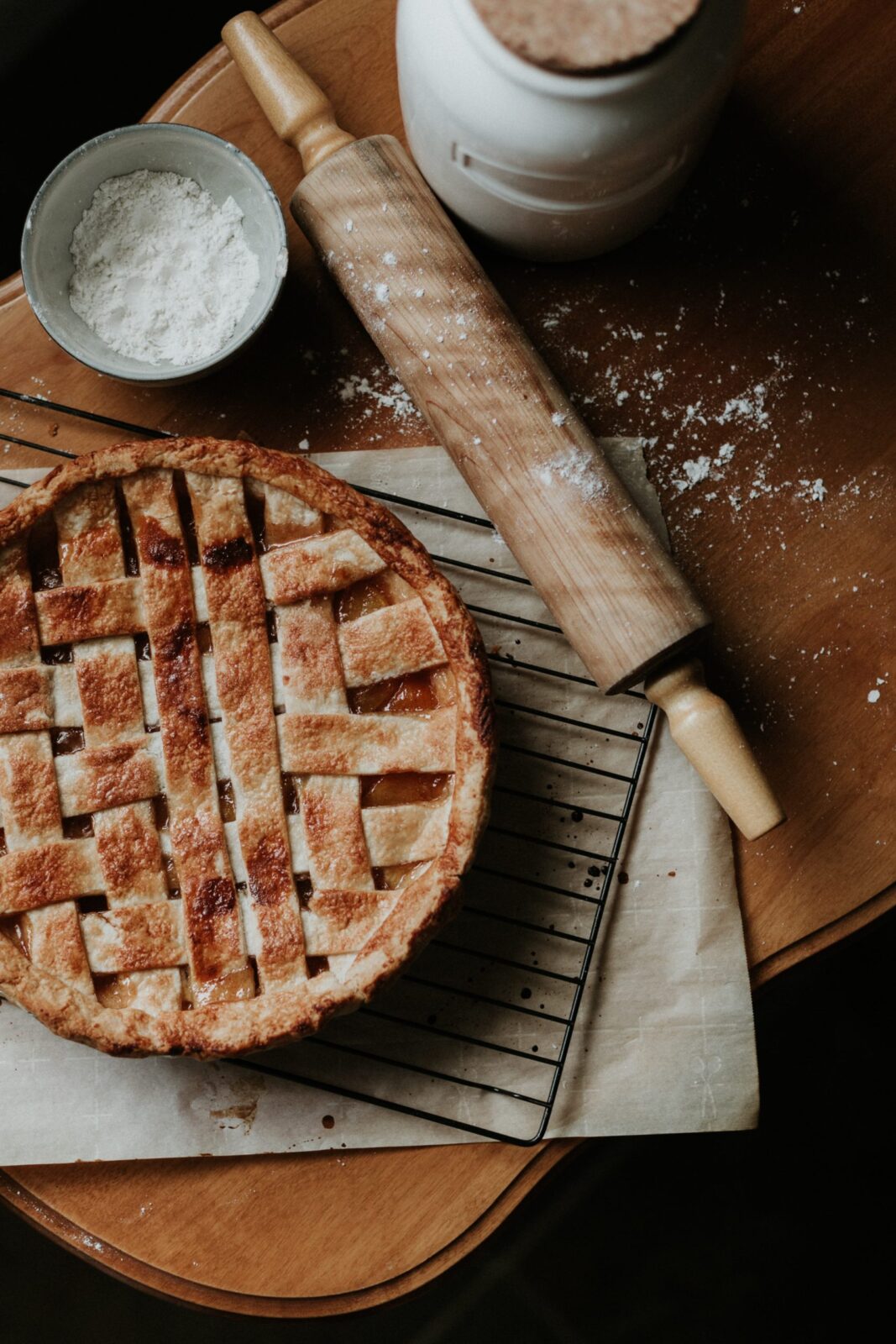
Well, I love stories, so I loved that this book started out with this story about his friend Sarah who learned how to bake pies from his dear aunt. She loved baking pies, and not only that…it wasn’t just a pie, it was the most amazing, unique, and delicious pie you would ever eat. Everyone who tried her pie said she should start doing something with this special talent and her secret recipe. That’s when she started dreaming of owning her own pie shop. And eventually, her dream came true.
I was hoping that the story just escalated from there – she would open another shop, and another, and eventually, a thousand more. Then she’d retire and live happily ever after. Well, that didn’t happen.
Three years into it, she found herself getting to the bakery at three in the morning to bake pies. She would then open the shop at 6am to take care of customers all day, then clean up, close up, do all the accounting, have dinner and get the pies ready to bake for the next morning. She did this 6 days a week, all year round. She found that the work she used to love more than anything else became work that she hated. Friends tried to convince her to step back or even look into trends like online sports betting Texas residents were buzzing about, but she couldn’t walk away from the ovens. She left her 9-5 job to buy herself a 12–15 hours a day, 6 days a week kind of job, and on top of all that, she was struggling financially.
Point of the story? Don’t be a technician. Be an entrepreneur. Don’t have a technician perspective in your business, have an entrepreneur perspective. Don’t work IN the business, work ON the business.
I will break down these points in detail next week to help us understand the difference. I hope it will enlighten you, challenge your perspective, and give you some reassurance as you create strategy for your business.
Sharing Your Story With The World
One of the most common questions people ask me about my business is, “how did you get started? How did you make that transition from earning a salary and full benefits for over 20 years to one day boldly walk away from the safety of a paycheck to courageously start your journey to entrepreneurship?” My answer to that is…umm….I didn’t boldly walk away from anything. I got fired.
Yup. Fired. It caught me totally by surprise; I was shaken. So, when people ask me how or why I started this business, I tell them it’s because I had no other choice.
For some reason, my story resonates with a lot of people. My abrupt transition, my 20+ years of slowly losing my soul in my job, my embrace of the new adventure in entrepreneurship, my will to make it work, and finally, my desire to make it meaningful. This story somehow needed to be told. Not for my own gain, but so those that relate can be inspired to figure out their own next steps.
Here’s a 2-minute video we made that summarizes what I’m talking about:
So, why is our own story so important?
Telling your origin story is one of the quickest ways to build a connection with your audience. Here’s how:
- Your story is your differentiator. In an ocean full of options, customers need to see right away what makes you different. There might be other companies who offer a similar product or service, but no one has your unique story. It’s what sets you apart from everyone else.
- Good stories drive business. As we discussed last week, people are hungry for ways to improve their lives, and if they find that with you, they’ll keep coming back for more. Your story builds relationships, and relationships build customer loyalty.
- Your story can attract employees. If you do it right, your story will inspire others to join you. People will want to work with you because YOUR story feels like THEIR story.
A few tips to remember when creating your own origin story video:
- Share your history… Obviously an “origin story” should be about how your business came to be. It may not seem as epic as a radioactive spider bite, but trust me: the problems and passions that led you to this work will connect with people in ways you don’t expect.
…but keep it tight. It might be challenging to capture your life’s journey in two minutes, but think about how we all engage with YouTube – if you click on a video that’s longer than 5-10 minutes, most people won’t continue watching. Editing is your friend.
- Highlight pivotal moments… Every great story has a turning point – an epiphany moment where everything changes. When did you suddenly realize a problem that you wanted to solve, or a different way to do it? Your customer is looking for similar transformation in their own lives.
…but don’t lose sight of your audience. There’s a fine line you’re walking here. It’s your story, but it’s also for them. Focus on the details that they’ll find interesting and solve their problems.
- Connect your story to your values… In the midst of giving the background that brought you here, you’re also sharing more than that. You’re helping people understand the why behind what you do. Share more than just facts; help them understand what drives you.
…but be authentic. Don’t be afraid of honesty. If you know Pixar’s 22 Story Rules, the first one is, “You admire a character for trying more than for their successes.” Trust that people will relate to the human side of your story, with all the ups and downs.
Which leads to the most important tip of all:
- The founder is not the hero… the customer is. This is the twist ending – ultimately your story is not actually about you, it’s about THEM. What if the mission of your business is to make your customer the hero, with you as their guide?
I can’t tell you how many people have contacted me after watching the video to say they want to work with me because they know I went through exactly what they are going through. Setting this common ground has been the foundation of our growth – sharing our failures and successes and using that knowledge to help other businesses is the number one thing that keeps me waking up every morning excited for the day.
SO – if you’re ready to make a video, I would love to be in touch to help you make it happen. That’s what BOS Media is all about – our passion is to SPREAD THE WORD about you and see more and more customers impacted by your story.
Reach out today and we’ll get ready to show the world how great you are! Looking forward to helping you shine.
Your Best Marketing Strategy

As an entrepreneur, I have so many ideas. And as a super curious person with hundreds of hobbies and new interests in EVERYTHING, I just love learning.
If you look and analyze my own YouTube, TikTok, Instagram, and Facebook history, you’ll see a pattern. It’s mostly me watching someone who’s awesome at their craft or their industry as they teach and explain what they know. This is where my learning begins.
But why do these content creators do this? Why take the time and record themselves teaching something that might expose their “industry secrets,” or help their competitors get a special glimpse of how they do business? Why do they offer all this information for FREE to strangers who may not even live in their city let alone their country, and might never even have the opportunity to become their customer or their client? Why?
Because the best marketing is EDUCATION. You will attract and retain more people to your business if you educate other curious learners like me.
That’s the purpose behind the next type of video we’re highlighting: Blog Videos.
These videos are so much more than just being informational. It’s recognizing that your customers have a hunger for learning, and they’re constantly searching for new ways to improve their lives. By providing that, you’re establishing a long-term place in their world.
I love this example from Sephora– education transformed the customer’s experience. What could have easily been a one-time transaction was converted into repeat business because of the information that was provided.
That’s the magic of these types of videos. Education is relationship building, which ultimately leads to customer loyalty.
Some of you might be thinking, “But I don’t have any special knowledge to pass on.” Not true!
Whatever industry you are in, you are an expert whether you like it or not. You have unique insight that no one else has. You might not see it because it’s part of your everyday life and you’ve been doing it forever so you take it for granted…but what you know and what you do is unique to a lot of people and they are dying to know what you know. Dive deep into the knowledge that seems so obvious to you, then share your journey and your findings. Are you hear about BTC? We want to remind you, that you allow to choose crypto casinos for us players here and make deposit and then withdrawals. If you are looking for a crypto casino USA with excellent games selection, you must consider VegasCrest casino. Uptown Pokies also is a popular choice among crypto gamblers thanks to its wide selection of games and support for 21 different cryptocurrencies. Our Top Pick, With a Premium Selection of Games. Lucky Block takes the lead in our ranking of the best crypto casinos. Bitcoin Blackjack, Bitcoin casino Roulette, the best Bitcoin Poker, and the top casino slots.
So there it is – your new marketing strategy: Educate your customers, so when they want to learn more, you’ll be the one they keep coming back to.
And just to prove my point, I’m going to go watch a new video right now.
Pulling Back The Curtain

I love the analogy of “pulling back the curtain” – it describes a moment of revelation, when something hidden is finally brought to light, when a secret is made known, and Voila! The mystery is revealed.
(the previous paragraph kind of just pulled back the curtain on “pulling back the curtain”… *mind bomb*)
It’s the perfect imagery for the next type of video you may want to include on your website: a Behind-the-Scenes Video
These videos are intended to give your customers a little window into how you work. You might have some of this information on your “About” page, but this is a chance to bring that text to life, and give it some personality.
The goal of a behind-the-scenes video is to show more of the process behind WHY YOU DO what you do. It can help humanize you to customers, making you more relatable as they realize, “Wow, this person is a lot like me.”
And once again, it brings us back to the most important question you can answer as a business:
“What problem are you solving?”
Let this video be a way of showing the tangible benefits you bring to a customer. Not just “what you do,” but “how you help people.”
On a practical note, two things we recommend including in your video:
- Use b-roll. We don’t want to see talking heads – show actual clips of what life looks like in your world.
- Use music. This helps set a pleasant tone and can make the video more engaging.
I’m excited for you to show more people the joy you find in your work!
And PS: can you imagine if the person reading this was actually in the curtain business… pulling back the curtain on the curtains… that might be the biggest mind bomb ever.
The Next Video You Need – But Don’t Just Take Our Word For It…

Whenever I click on a video to watch before buying a product or a service, I ask myself… “What am I looking for in this video? What is going to convince me?”
For me, the thing I’m looking for most is assurance. How can I be sure that this company is trustworthy? That’s easy. I want to listen to others who are like me share their own story of what they experienced from purchasing these products or services. And the more that’s shared, the more I will learn to trust.
That’s why the second type of video we’re going to discuss is so important: Testimonial Videos.
Here are the Top 5 things every good testimonial video should aim to include:
- Tell the Before & After Story. Whether it’s a testimonial or a blockbuster movie, the best stories give us a transformational experience. Quite simply, it’s: “This was my life BEFORE I became a customer, and now this is my life AFTER.” Testimonials show us you’ve got something that can literally be life-changing.
- Present your Product as the Solution. The two biggest question we always ask is, “What problem are you solving?” and “What makes you different?” This is really the key to a good Before & After testimony – it’s the story of how your product came along and changed everything.
- Show the Product in Action. We talked about this last time – just because we’re hearing from a satisfied customer, but ideally we still want a visual. Talking head videos are great, but the best testimonials let us experience the magic with our own eyes.
- Be Honest. This sounds obvious, but authenticity is essential. Sure, we want to hear from your most passionate customers, but not if what they share off as fake. Look for customers who have had a great experience, and can genuinely translate that when on camera.
- Give Potential Customers a Next Step. By the end of the video, hopefully the viewer is ready to buy! Make it easy for them by offering a clear way to connect, whether it’s contact details or product purchase information.
I hope this helps you spread the word about the great work you are doing. Kind of like that old saying about a tree falling in the forest – you’ve helped so many customers, here’s to creating an opportunity for them to make a sound!
A Video That’s Gonna Move You (And Your Business)

One of my favorite commercials growing up was this ad for Juicy Fruit:
The 80s vibes are so strong, and it’s very funny to see how the mere act of opening a pack of gum can instantly change your life. You might be one stick of Juicy Fruit away from being the coolest person in town who everyone is attracted to when they see you on water skis – who knew chewing gum could be this fun??
Last week, we talked about the importance of incorporating videos on your website and in your digital marketing strategy. If you do it right, using videos will:
- build trust in your company
- clarify your product or services
- help generate more business
There are four different types of videos that businesses can use to make this happen: Explainer/Demo Video, Testimonial Video, Behind-the-scenes Video, and a Helpful Blog Video. Over the next few weeks, we’ll go into more detail about each one so you can answer:
What kind of video makes the most sense for your business?
For today, let’s talk about the Explainer/Demonstration video.
Like the Juicy Fruit commercial, this type of video shows your product or service in action. This is especially helpful if you offer something that might require a little more explanation. Your goal is to take the mystery out of the equation, so your customer has even more confidence to make a purchase.
This is especially important in today’s marketplace. Most customers will make their first impression of you ONLINE. It doesn’t matter how friendly you are in person, or how amazing your product is to use – if you can’t make that translate online, people aren’t buying it.
Demonstration videos are a great solution – you can show people exactly how things work, and give them the opportunity to see how they would experience it themselves. They are significantly more effective than text alone ––
Research says people are 3x more likely to watch a video than to read the same information, with a much higher retention rate.
So don’t just talk about it.
Open up that pack of gum, get on your jet ski and SHOW THEM what you can do.
By recording a demonstration video, you’ll have something that lives online and engages customers 24 hours a day. That’s a simple way to amplify your sales.
Chew on that!
How To Bring Your Business To Life

I always carry around jumper cables in the trunk of my car just in case. Just in case my battery dies, or if someone else’s battery dies and I want to help. A couple of years ago, I ran into a situation that I was 50% prepared for. I had my jumper cables. But the 50% I wasn’t prepared for was trying to figure out how to jump a hybrid. Do I connect the cables like a normal car? If so, where’s the battery? Is there more than one battery? If so, which battery do I jump? Where do the cables go? I don’t see any positive or negative terminals. I am so lost. The truth is, the hybrid car had the owner’s manual in the glove department. But, I needed answers quickly and visually…so, what did I do? I quickly searched YouTube and found a 1-minute video that told me everything I needed to know. And voila, I became an instant expert and an instant hero. Thanks, YouTube.
The other day, I was looking for a drawer organizer online. There are hundreds of them. I found the one that I liked but wasn’t sure if it was the right fit, size, or function that I was looking for…until I saw that this product had a video. A quick 45-second video that showed someone putting the organizer in a drawer and placing utensils in it to show how it would simplify and beautify my life. Yup, exactly what I was looking for. Thanks, YouTube.
Today, I watched a video on YouTube to stretch and relieve my lower back pain. Thanks, YouTube.
Do you see a pattern here? We are watching more videos online than we ever have before. In fact, we watch an average of 16 hours of online video per week, which is a 52% increase in the last two years. It’s also known that we retain around 90% of a message when we watch it in a video compared to only about 10% when we are reading it in text.
This has major implications for your business. According to research:
- 96% of people have watched an explainer video to learn more about a product or service.
- 86% of people would like to see more videos from brands.
- 64% of consumers make a purchase after watching branded social videos.
- 68% of consumers prefer watching videos to learn about new products or services, as compared to articles, infographics, ebooks, and presentations.
- Consumers who end up on an e-commerce site through a user-generated video are 184% more likely to purchase and spend 45% more.
- Google shows a video thumbnail next to a search result about 26% of the time, and users are more likely to click that listing.
So, are you thinking what I am thinking? Why don’t you have a video? I honestly believe every business website should have one. For this next series, I want to go through the different types of videos you need and how they will not only help generate more business but also truly help those who are seeking a solution, build trust in your company, and clarify your product or services. Videos create higher engagement and increase traffic. It’s a win-win all the way around.
Looking forward to introducing and explaining a new video category each week. Also, I would love to hear from you on what type of video you think will best engage with your customers and ultimately, help you grow. Let’s talk about it!